
CHAPTER ONE – AN OVERVIEW OF STROKE
Purpose and core issues
This book focuses on strokes affecting the brain rather than the spine (although the principles are the same) which is outside the scope of this text. This chapter is designed to provide an understanding of stroke and to become accustomed to key points in order to get to grips with some of the issues which permeate stroke cases. An understanding of the disease is essential to the management of any clinical negligence claim and stroke is no exception. If lawyers and litigants do not adequately understand the pathophysiology and aetiology of a stroke, they are unlikely to be well equipped to build and drive forward an efficient and effective legal case. With a better understanding of stroke, it will assist those involved in stroke litigation with recognising whether the primary contention is likely to be:
- Failure to avoid the stroke occurring in the first place; or
- Failure to lessen the impact of a stroke; or
- That there is unlikely to be sufficient merits in pursuing the particular matter.
One of the core issues in any legal stroke case is determining whether the stroke itself would have likely been avoided with earlier or alternative treatment/management/preventative measures. This chapter summarises in simple terms:
- What is a stroke.
- How stroke may occur.
- Damage caused by stroke.
- How stroke may be treated.
- Risk factors for stroke.
- Clinicians involved in stroke medicine.
What is a stroke
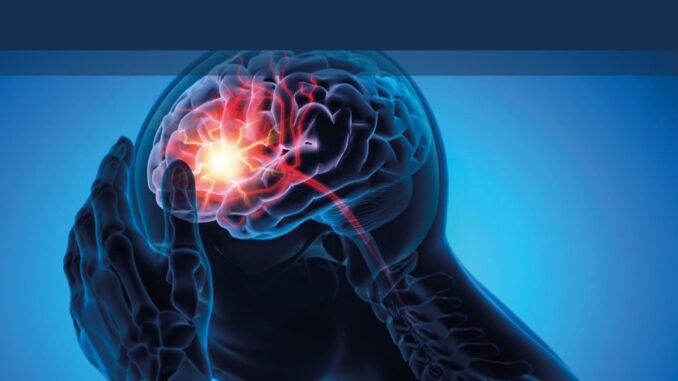
In short, unsophisticated terms, a stroke occurs when a blood vessel carrying oxygen and nutrients to the brain is either blocked by a clot or bursts and when that occurs those supplied parts of the brain cannot receive the required blood and oxygen, so its corresponding brain cells die. In more clinical terms, stroke is a clinical syndrome of presumed vascular origin characterized by sudden signs of focal disturbance of cerebral function which lasts longer than 24 hours. The National Institute for Health and Care Excellence (commonly known as NICE) guidelines sets out the following helpful definitions (as at December 2023) online:
There are two main types of stroke which are:
- Ischaemic;
- Haemorrhagic.
Another type of stroke is a Transient Ischaemic Attack (TIA), discussed later in this chapter. Approximately 80% of strokes are ischaemic and 20% are haemorrhagic. There are further sub-classifications of these two main types of stroke (and of others) which are beyond the scope of this book but include:
Ischaemic: Cryptogenic, cardiogenic embolic, small penetrating artery thrombosis (lacunar stroke) and large artery thrombosis (atherosclerotic disease).
Haemorrhagic: Intracerebral haemorrhage (around 15%) and subarachnoid haemorrhage (around 5%).
Venous: Cerebral venous thrombosis (1% of stroke) predominantly affecting women caused by blockage of the venous rather than arterial system. Its causes and management are distinct from ischaemic or haemorrhagic stroke.
Ischaemic stroke
An ischaemic stroke is, in essence, a lack of oxygen or occlusion. It is caused by a blockage of a vessel leading to the loss of blood supply (also known as infarct). With insufficient oxygen reaching the brain it fails to receive the necessary nutrients it requires. It is an episode of neurological dysfunction caused by focal, cerebral, spinal, or retinal cell death due to infarction following vascular occlusion or stenosis. As there is insufficient blood reaching the brain, the brain cells begin to rapidly die.
To deconstruct this further:
- Ischaemia means blood flow and oxygen are reduced in part of the body.
- Occlusion means blockage, or obstruction, or closing of an opening.
- Infarction means death of tissue resulting from a failure of blood supply.
- Stenosis means abnormally narrow or restricted.
Haemorrhagic stroke
A haemorrhagic stroke is bleeding usually within the brain. It is rapidly developing neurological dysfunction due to a focal collection of blood from within the brain parenchyma or ventricular system, or bleeding into the subarachnoid space in the brain that is not caused by trauma. A haemorrhagic stroke occurs when blood vessels within the brain burst. The main risk factor for this type of stroke is age, while the commonest modifiable risk factor is hypertension.
To again deconstruct this:
- Haemorrhagic means bleeding; here, in the location of inside or around the brain.
- Subarachnoid space is the space between arachnoid matter and pia matter. It surrounds the brain and spinal cord and lies between the membranous layers.
For most people, the haemorrhage is caused by a cerebral (intracranial) aneurysm. Aneurysms develop at the site of a defect in the wall of the intracranial blood vessels. The weakened wall balloons out to form a blood-filled sac, known as a saccular aneurysm. This is unstable and may rupture causing haemorrhage into and around brain structures. In about 10% of people, the haemorrhage is caused by an arteriovenous malformation (AVM), a condition where blood vessels cluster together and form abnormal connections that are weak and prone to bleeding. In another 10% investigation reveals no evident vascular abnormality and the aetiology remains unknown. People that have suffered haemorrhagic stroke usually describe their worst ever headache (which is the result of red blood cell induced irritation of the tissues surrounding the brain), vomiting and collapsing, with loss of consciousness. The most characteristic feature is a sudden onset severe headache.
Throughout this book there are references to cited cases. A range of cases are selected which are intended to buttress the surrounding narrative. To begin with, a case relating to subarachnoid haemorrhage. In Holt v Edge [2007] EWCA Civ 602 a GP was not negligent for failing to diagnose a subarachnoid haemorrhage and refer the claimant to hospital sooner when the claimant had not presented with the usual symptoms. The claimant appealed the High Court judge’s decision ([2006] EWHC 1932) dismissing her claim. Briefly, she had fallen in the shower, injuring herself. The emergency doctor visited later that evening and found the claimant had suffered a minor neck injury and advised her to see her GP in the morning. The GP visited the next day and confirmed the diagnosis. Two days later, the claimant attended hospital and was diagnosed as having suffered a subarachnoid haemorrhage. Following surgery undertaken three days later the claimant suffered a stroke. The defendant admitted breach of duty in failing to ensure the claimant was spoken to by a doctor earlier on the day of the accident but denied liability for her injuries. Her appeal was dismissed. It was held that the claimant had not presented with the usual symptoms of a subarachnoid haemorrhage (as described in the preceding paragraph) and the admitted breach made no difference to the eventual outcome of the surgery.
It was determined that if a telephone triage had been performed it would have made no difference because the defendant would not have learned anything to cause them to refer the claimant immediately to hospital. The key symptoms of a sudden pounding headache and vomiting had not been present when the initial call had been made to the surgery, or when the emergency doctor had visited in the evening. Although the defendant should have asked about vomiting, there was no evidence that if they had done so the claimant would have responded in a manner that would have required her to be immediately referred to hospital.
Transient Ischaemic Attack
A Transient Ischaemic Attack is usually known as a “TIA” or a mini-stroke. A TIA requires a person to make a full recovery within 24 hours. Otherwise, it is described as a minor stroke. Thus, a diagnosis of TIA cannot be possible until a person has been examined beyond the 24-hour period and shown to have made a full recovery. The majority of people with a TIA have a full resolution of symptoms within one hour. Those with residual deficits after one hour are more likely to continue to have some deficits the following day and thereafter. This would then be deemed a minor stroke.
Around 20% of people admitted to hospital with stroke show signs of progression within the first 24 hours. The mechanisms of progression are not well understood. One reason for deterioration is that the collateral blood flow supplying blood to an area of ischaemia fails so that area of ischaemia extends. Another reason is that toxic chemicals are released from ischaemic tissue extending the area of infarction beyond the initial core of the infarction. Another is that there is a spread of the thrombus responsible for the initial area of ischaemia from the initial site of occlusion to involve a greater extent of the artery occluding additional branches of the artery.
The incidence of TIAs in people between the ages of 15 and 44 years was one in 50,000 of the population per year. This was based on a study carried out by Dennis in 1989 in Oxfordshire. In relation to hemiplegic migraine based on a study from Denmark by Thomsen in 2002, sporadic hemiplegic migraine had an incidence of one in 250,000 per annum in the population under the age of 40 years. Lebedeva 2018 found that headache occurred in 30% of patients with TIA, but unilateral headache only occurred in 15%. A study by Coull in 2004 showed that 15% of strokes were preceded by a TIA.
A takeaway point from this is, even though a TIA may completely resolve within 24 hours, it is arguably important for clinicians to take the symptoms very seriously.
Symptoms of TIA are similar to stroke and can include:
- Visual disturbance. Generally, this can be caused either by TIA, or migraine. (Migraine is a severe usually throbbing headache associated with photo- and phono-phobia.) A TIA may block the ophthalmic artery causing visual disturbance only in that one eye, or if the clot is in the occipital lobe it could cause disturbances in both eyes. It would be typical of TIA in one ophthalmic artery for the symptoms to be unilateral to that supplied eyeball.
- Facial droop. This could occur as a result of TIA or migraine. Right facial droop would need a clot to be in a specific part of the left brain controlling the (contralateral) right side of the face if it were TIA.
- Speech. It would be relevant to distinguish between:
- Dysarthria: which would be more characteristic of migraine or a TIA/stroke in the brainstem; that could be described as slurring or struggling to talk due to physical effects on the face; and
- Dysphasia: which is more typical of TIA/stroke affecting a particular centre in the brain which would more likely cause confused speech or a primary language disorder.
In Bell v Bedford Hospital NHS Trust [2019] EWHC 2704 (QB) there was an alleged failure by clinicians to diagnose sequential TIAs and prevent the claimant suffering a major stroke leaving her disabled. Breach of duty and causation were denied. Although breach of duty was established, HHJ Taylor held that causation failed. The claimant was unable to establish their likely compliance with advice/treatment (had it been given), and the underlying cause of the stroke was unclear, so the effect of medication could not be proved. There were two potential primary causes of the stroke; atherosclerosis and dissection. The claimant was unable to prove on balance that atherosclerosis was the cause of stroke and that adherence to taking medication after having a diagnosis of TIA given would have prevented the stroke occurring. This case along with Holt demonstrates some of the challenges for a claimant to succeed in proving their case in stroke litigation. That breach of duty can be established, in full or in part, but causation fails as the stroke would not have been prevented.
Stroke diagnosis
In order to assist with diagnosing stroke, some matters that clinicians will consider include the following:
- Is the process vascular or a stroke-like mimic;
- If it is a vascular process, then what location in the central nervous system (CNS) is the abnormality and which blood vessels supply that territory;
- What is the disease mechanism – is it ischaemic or haemorrhagic.
A clinical assessment is required for a diagnosis which should include:
- The presence of previous stroke and any TIAs.
- Activity at the onset of the stroke.
- The temporal course and progression of the focal symptoms and findings.
- Accompanying symptoms.
Young stroke
Approximately several hundred children are diagnosed with stroke each year in the UK. The causes of stroke in children are usually specific and commonly related to haematological disorders such as sickle cell disease. Large (atherosclerosis) and small vessel disease are common causes in people over age 50 but they are very uncommon in people under the age of 30 (according to Rothwell et al). The commonest cause of stroke in young people is cardiac embolism (embolism is the blockage of a blood vessel by a blood clot or piece of fatty material or other debris in the blood stream).
All humans have a hole in the heart during foetal development. That hole usually closes at birth (except in around 25% of people) meaning that an abnormal pathway exists between ‘dirty’ unoxygenated venous blood and ‘clean’ oxygenated arterial blood. A clot can therefore find its way between the venous and arterial system leading directly to the brain. This ‘patent foramen ovale’ (PFO) is a common cause of stroke in younger people.
An alternative common cause of younger people with stroke is a dissection of one of the four in the neck vessels feeding the brain (two front carotid and two rear vertebral arteries). The lining of these vessels can become separated (dissected) creating a false lumen which blood then traverses slowly enough to allow it to clot and then emboli. Even minor trauma may cause such a dissection.
FAST
The FAST campaign was launched in February 2009 by the Department of Health to raise awareness about the signs of stroke and to encourage people to call the emergency services immediately. FAST stands for:
F Facial weakness
- can the person smile;
- Has their mouth or eye drooped.
A Arm weakness
- Can the person raise both arms.
S Speech difficulties
- Can the person speak clearly;
- Can the person understand what you say to them.
T Time
- Time to call 999 immediately.
Just one of the F, A, S symptoms should trigger a person to call the emergency services. A person does not need to have all three of the face, arm, and speech symptoms to require an assessment for potential stroke diagnosis.
Mechanisms of stroke
A stroke occurs when the flow of blood to part of the brain is cut off or interrupted. This is described above in terms of an ischaemic or haemorrhagic stroke. When the flow of blood stops, or is interrupted, the brain cells begin to suffer necrosis and die. In an ischaemic event, the brain neuronal cells rapidly die at a rate of around two million each minute. When the cells die, a loss of neuronal function occurs.
The blood flow to the brain is managed by two internal carotids (these are major blood vessels) and two vertebral arteries (these run through the spinal column into the neck and into the brain). The middle cerebral artery (MCA) is a large artery that supplies a substantial portion of one half of the brain. The MCA is fed by the carotid artery in the neck. Any disruption of blood supply to this vascular system will result in neuronal death.
Strokes are nearly always of abrupt onset. They are an abrupt neurological outburst caused by impaired perfusion (the passage of fluid) through the blood vessels to the brain. There can be many causes of stroke such as:
- Thrombus
- Embolus
- Vessel disease
- Rupture of an aneurysm
- Arterial
Hypertension (outlined below as risk factors) may cause ischaemic stroke by two mechanisms. Either by small vessel atherosclerosis (which is narrowing of the tiny vessels in the structures of the brain) or by large artery atherosclerosis which usually develops over many years. Hypertension causes haemorrhagic stroke as the tiny vessels can rupture under the pressure of chronic excess force.
Risk factors for stroke
There are numerous risk factors for stroke and the risk of stroke increases with age. The risk factors are usually regarded as modifiable and non-modifiable. The common causes of stroke include:
Non-modifiable Modifiable
Age High blood pressure (hypertension)
Gender Atrial fibrillation
Race / ethnicity Excess alcohol / drugs
Genetics / family history Obesity / physical inactivity
Diabetes
Smoking
Hypertension and atrial fibrillation (AF) are the two most important modifiable risk factors for stroke. Cases surrounding alleged failure to prevent stroke in individuals with these conditions can occur. There are available measures to help reduce the risk of stroke which are discussed in chapter four. Tools such as the ABCD² score are used to estimate the risk of stroke occurring after a suspected TIA.
Hypertension and atrial fibrillation
Hypertension
Hypertension is high blood pressure. This is usually deemed to be more than 140/90 mmHg. Blood pressure is the measure of the force of blood pushing against vessel walls. It is measured in millimetres of mercury (mmHg). The higher number is systolic pressure, which is the force at which the heart pumps blood around the body. The lower number is diastolic pressure, the resistance to the blood flow in the vessels. High blood pressure / hypertension is the biggest modifiable risk factor for stroke. Most cases of essential hypertension have no underlying cause identified. With secondary hypertension, a direct cause is ascertained such as use of steroid medications, kidney disease and endocrine disease. The treatment of hypertension can include antihypertensives such as drugs like beta blockers and ACE inhibitors. Lifestyle changes are also advised like weight loss and reducing alcohol, caffeine and salt levels. Untreated hypertension can lead to stroke, amongst other diseases.
Atrial fibrillation (AF)
This is the most common heart rhythm disturbance. It is an irregular and erratic (often fast) heart beat. It increases the chances of blood clots forming in the heart, and these clots can then travel in the blood stream to the brain and cause a stroke. The prevalence of AF is predicted to double within the next 25 years as the population ages. The main causes of AF are hypertension (as above), atherosclerotic heart disease, hyperthyroidism and other heart diseases. Some triggers of AF include alcohol / caffeine excess, smoking and recreational drugs. People will not always have symptoms but some symptoms include shortness of breath, tiredness, chest pain, palpitations and light-headedness.
AF results in a fivefold increase in the risk of stroke and doubles the risk of death. Around 20-25% of all strokes are caused by AF but for people over age 80, around 30-40% are AF induced. People with AF should usually have a personalised clinical assessment for their care to include stroke awareness and measures to help prevent stroke. The CHA₂DS₂-VASc score is a comprehensive assessment of stroke risk in patients with AF. People with one or more risk factors are considered for anticoagulation.
Damage caused by stroke
Damage from a stroke can range from very minor through to catastrophic and fatal. A basic overview of damage is set out below but of course, ordinarily, obtaining condition and prognosis expert evidence will be required to address the damage caused, as will be examined in chapters six and seven.
The National Institute of Health Stroke Scale (NIHSS) score is an international score to assess the functional ability of a person following stroke. It is a systematic, quantitative assessment tool to measure stroke-related neurological deficit. In clinical practice it can be used to evaluate and document the neurological status in acute stroke patients, determine appropriate treatment and assist in standardising communication between healthcare practitioners. It is a 15-item neurological examination stroke scale used to evaluate the effects on the levels of consciousness, language, neglect, visual-field loss, extraocular movement, motor strength, ataxia, dysarthria, and sensory loss. Ratings for each item are scored on a 3- to 5-point scale, with 0 being normal. Scores range from 0 to 42, with higher scores indicating greater severity. Stroke severity based on NIHSS scores are as follows:
0: No stroke
1–4: Minor stroke
5–15: Moderate stroke
16–20: Moderate/severe stroke
21–42: Severe stroke
The modified Rankin Scale (mRS) is a functional assessment scale that measures the degree of disability or dependence of people who have suffered stroke. It is a 6 point disability scale with possible scores ranging from 0 to 5. A separate category of 6 is usually added for people who have died. The mRS is the most widely used outcome measure in stroke clinical trials. It is recommended at three months following hospital discharge. The scale runs from perfect health without symptoms to death, and is categorised as follows:
0: No symptoms.
1: No significant disability; able to carry out all usual activities, despite some symptoms.
2: Slight disability; able to look after own affairs without assistance, but unable to carry out all previous activities.
3: Moderate disability; needs some help, but able to walk unassisted.
4: Moderately severe disability; unable to attend to own bodily needs without assistance, and unable to walk unassisted.
5: Severe disability; needs constant nursing care and attention, bedridden, incontinent.
6: Death.
Other tools can be utilised to predict outcomes following stroke but they are not measures to the test the damage sustained. The DRAGON score is one of the scores used to predict a stroke outcome three months after an ischaemic stroke. The clinical features of the DRAGON score, which influence the outcome are:
- The appearance of the CT scan prior to thrombolysis.
- Dependency level of the person before thrombolysis using mRS.
- Age.
- Blood sugar level.
- Onset to treatment time.
- NIHSS on admission.
The above are summarised to provide an understanding of how clinicians will assess people in practice. As stated above, it will usually be necessary to obtain independent expert evidence on the clinical and functional damage sustained.
Imaging to identify stroke
A CT head scan is the most immediate scan performed following a suspected stroke. CT scans are good at showing blood. It will usually always be performed before a MRI scan is considered. A CT head scan is used to exclude haemorrhagic stroke, or some stroke mimics. A normal scan does not exclude an ischaemic stroke. A CT scan appearance to indicate stroke normally takes several hours to show on the scan. A ‘normal’ CT scan is often reported but does not exclude a hyper acute (very recent) stroke.
MRI scanning can be performed which can assist to determine the cause of the stroke. Performing this scan would not usually occur before considering whether to offer thrombolysis (summarised below). The location of an infarction on the MRI scan can be indicative of how it originated. For example, with a history of progressive stroke and hypertension, this is typical of anterior choroidal infarction. MRI scan does not usually add much to the immediate treatment plan if performed immediately following stroke, except potentially in cases of ‘wake up’ stroke when the timing of the stroke and likelihood of clot busting drugs being successful can be better judged.
Treatment of stroke
Treatment to help prevent stroke includes medication to prevent and dissolve blood clots, reduce blood pressure and cholesterol levels. Treatment following stroke depends on the type of stroke suffered. Surgery may be required as a preventative measure or following stroke. Embolization procedures may be required. The most common treatments are outlined below.
Chemical treatment
There are two main chemical treatments of acute stroke. These are:
- Thrombolysis: this treatment chemically breaks up a blood clot so as to reconstitute normal blood flow back to brain tissues.
- Antiplatelets and anticoagulants: usually aspirin and warfarin (or NOAC which is Non-vitamin K Antagonist Oral Anticoagulant). Sometimes heparin is given. Aspirin does not break up a blood clot. Its effect (if it works) is to stop a blood clot enlarging and reduces the tendency of a clot to break up and send part of the clot migrating further along the circulatory system, thereby potentially causing serious harm. Warfarin/NOAC (and heparin) is an anticoagulant. It works by interfering with the clotting mechanism in such a way that the clot stops growing and spreading. Warfarin is usually the treatment of choice for people with atrial fibrillation.
- Thrombolysis
Thrombolysis is a well-established treatment for acute ischaemic stroke and its primary purpose is to act as a powerful blood thinner. Thrombolysis is a clot busting drug. The name of the drug is Alteplase but is also referred to as “rt-PA” (recombinant tissue plasminogen activator). It is sometimes described as a “clot buster” as it works by dissolving the clot. For this process to be effective, there must be recanalization of the artery and then the effect relates to how much of the brain remains salvageable following restoration of blood flow. However, post-surgery, administrating this type of medication could itself be potentially life-threatening so thrombolysis is contraindicated following surgery.
Thrombolysis can usually only be given within 4.5 hours of the onset of symptoms. The sooner the treatment is given, the higher likelihood of a better outcome. The phrase “time is brain” is often used. It is the best available treatment for an acute stroke according to national guidelines. The “door to needle” time to give thrombolysis treatment is subject of national audit and monitoring in the Sentinel Stroke National Audit Programme (SSNAP). This is the most comprehensive source of data to improve the quality of stroke care in England, Wales and Northern Ireland.
The National Clinical Guideline for Stroke from the Royal College of Physicians recommends that thrombolysis can be administered at up to 4.5 hours of known onset (of neurological symptoms) provided the person meets certain strict clinical criteria. It is particularly important that the onset time is clear with a high degree of certainty as thrombolysis has potentially serious and harmful side effects if not administered correctly and in an approved timely manner.
A person should not receive thrombolysis before a CT scan because a stroke can be caused by intracerebral haemorrhage which can only be shown on CT or MRI brain scan. Thrombolysis in the presence of cerebral haemorrhage is dangerous and may be catastrophic.
- Antiplatelets and anticoagulants
Aspirin
This was the first effective antiplatelet drug used widely. It is used to make blood less sticky and help prevent blood from developing a potentially dangerous clot. Its prescription, or lack of, can be a common feature in stroke litigation and this is revealed further in chapters four and five.
Clopidogrel
This antiplatelet medicine helps prevent platelets from sticking together and forming a blood clot. It is often prescribed to people at risk of stroke or following stroke and it will be a common medication to see if acting in numerous stroke claims. It can be prescribed with or instead of low-dose aspirin.
Heparin
Heparin is an anticoagulant and works by bathing the thrombus. It does not dissolve the thrombus but it prevents propagation and enables the body’s own mechanisms to recanalize the affected veins. In Pickering v Cambridge University Hospitals NHS Foundation Trust [2022] EWHC 1171 (QB) the claimant had a history of atrial fibrillation and had regularly been taking aspirin. She attended A&E with symptoms of pain, numbness, coldness and pallor (paleness of skin) in one leg. The A&E clinician diagnosed a resolved ischaemic event in her right leg and discharged her home with advice to recommence aspirin and follow up with her GP over the next five to seven days. Unfortunately for the claimant, she suffered a significant stroke at home three days later causing extensive disabilities.
The claimant alleged there was a failure by the A&E clinician in that she had likely suffered an embolus in her leg and to immediately administer heparin to prevent further embolism. Breach of duty was admitted during the trial (following cross-examination of the defendant’s A&E expert), whilst causation remained denied. By the end of the trial there was one issue to determine which was whether, but for the defendant’s negligence, the claimant would have avoided the stroke due to the beneficial effects of heparin treatment which should have been given and continued until she was provided with anti-coagulation. Ritchie J held that causation was established. If heparin had been administered on a timely basis, the secondary clot formation would have been prevented. This case is discussed again later in this book.
Warfarin
Warfarin is the most widely used anticoagulant in the UK. It enables blood to flow through veins more easily and making the blood less likely to clot. It is used to help reduce the risk of stroke and is shown to be effective at doing so for people with atrial fibrillation. It helps to prevent new blood clots from forming but it does not dissolve blood clots. Warfarin is explored further in chapter five.
Other anticoagulant medications (NOAC) include:
- Apixaban
- Dabigatran
- Edoxaban
- Rivaroxaban
These drugs (above) are increasingly replacing warfarin as they (reportedly) benefit from fewer side effects and may be easier for clinicians and patients to manage, dispensing with the need for regular blood tests.
There are other groups of medicines that are prescribed to assist in reducing the risk of stroke and to help prevent vascular disease such as statins. These medications can help lower the level of cholesterol in the blood. High cholesterol is potentially dangerous as it can lead to atherosclerosis and cardiovascular disease. Statins include:
- Atorvastatin
- Fluvastatin
- Pravastatin
- Rosuvastatin
- Simvastatin
Other medications
If a person suffers seizures following stroke, they usually require anti-epileptic medication such as Tegretol (carbamazepine). The use of this drug can have side-effects including leucopoenia (low white cells), thrombocytopenia (low platelets), movement disorders, vision disorders, vomiting and dizziness and headaches. There are numerous drug interactions with Tegretol which could limit the types of medication for unrelated issues.
Understanding the common medications involved in stroke prevention can help practitioners to identify issues more expeditiously.
Surgery
Sometimes surgery is required as treatment to help prevent stroke or following stroke. Some of the most common surgical procedures in relation to prevention of stroke or following stroke are:
Carotid endarterectomy
A carotid endarterectomy may be performed to help prevent stroke by removing the collection of fatty deposits (plaque) which can cause narrowing of the carotid artery and lead to stroke. It might be undertaken following stroke if it was caused by a blockage in a carotid artery in the neck. The aim is usually to remove the build-up of plaque.
Thrombectomy
Following stroke, a thrombectomy may be necessary in some instances. This is a surgical procedure to physically remove a blood clot and drain fluid from the brain. The aim of this surgery is to restore blood flow to the brain. Mechanical thrombectomy is only used for proximal intracranial large vessel occlusive stroke of the internal carotid, middle cerebral artery and basilar artery. Thrombectomy is not always indicated. Trials are ongoing to assess the efficacy of thrombectomy in occlusion sites other than the aforementioned.
Repair of aneurysm
Surgery is the main potential treatment following a haemorrhagic stroke. If a subarachnoid haemorrhage has occurred, then surgery to try and repair the burst blood vessel might be undertaken. Surgery to reduce pressure caused by a buildup of fluid can also be performed. The main two techniques for repair are coiling and clipping. Coiling is when the aneurysm is sealed off from the main artery to prevent it growing or rupturing again. Clipping is placing a metal clip around the base of the aneurysm to seal it shut.
Clinicians often involved in stroke medicine
Neurologist or stroke physician
The primary clinician to treat and manage stroke is a neurologist or stroke physician. The role of a neurologist in an acute setting post-stroke includes:
- Reviewing CT/MRI imaging;
- Assesses a person promptly;
- Makes a diagnosis;
- Treats, or refers for treatment.
A neurologist or stroke physician does not perform surgery. A neurologist treats diseases and disorders of the nervous system which includes the brain, spinal cord and nerves throughout the body. A stroke physician will usually treat people following stroke but they can treat those suspected of risk of stroke if a referral is made and accepted. These specialist disciplines are studied in chapter three.
Radiologist
The radiologist or neuroradiologist will review the imaging (CT / MRI for example) and report on that imaging. This will assist the neurologist / stroke physician to form a diagnosis. An interventional radiologist is a certain type of radiologist who undertakes procedures such as clipping of aneurysms or mechanical thrombectomies.
Neurosurgeon
If surgery is required following stroke, a neurosurgeon may perform the procedure.
Rehabilitation medicine
Following stroke, a rehabilitation medicine physician may become involved in leading the recommendations for management and rehabilitation of the person. This physician will provide interventions to people with disabling / complex conditions to try and optimise their recovery and functionality. They will commonly intervene when people have suffered stroke and other serious injuries. They can offer opinion on a person’s capacity.
GP
The GP will often be the primary point of contact for stroke prevention. Other clinicians will of course be involved depending on the individual and their medical conditions. These are covered broadly in chapters three and four when outlining expert evidence and breach of duty issues for consideration.
Takeaway points
Within any successful claim or defence in clinical negligence, there needs to be an understanding of the medicine or science in that field. This is particularly true for stroke. Practitioners benefit from increasing their knowledge of medicine and it is not usually sufficient to simply try and rely upon experts. This chapter was not a detailed analysis of stroke, and how it originates, as the author is not qualified in medicine. However, a baseline understanding of stroke assists in developing a potential legal case. A summary of this chapter is as follows:
- A stroke is the outcome of a blocked or burst blood vessel that results in that area of the brain failing to receive oxygen and nutrients that are necessary for its function, so the brain cells die.
- The two main types of stroke are:
- Ischaemic/TIA (most common); and
- Haemorrhagic (less common).
- If stroke is suspected, time is of the essence to seek urgent medical treatment. Think FAST. Time is brain.
- A CT head scan is the foremost route to diagnosis of stroke.
- Broadly, strokes can be fatal, very disabling, disabling, moderate, mild and minimal. The modified Rankin Scale (mRS) and National Institute of Health Stroke Scale (NIHSS) score are commonly used by clinicians to assess the outcomes following stroke.
- Antiplatelets and anticoagulants are prescribed to help prevent stroke occurring or following stroke.
- Thrombolysis is the main potential immediate treatment given following an ischaemic stroke.
- Thrombolysis usually has a maximum 4.5 hour time window to be administered from the onset of stroke.
- Surgery is the main potential treatment following a haemorrhagic stroke.
- Neurologists/stroke physicians are the primary physicians/clinicians that manage/treat people following stroke (or are suspected of stroke risk).
- Rehabilitation medicine physicians will likely be the lead clinician regarding any rehabilitation and disability management needs following a disabling stroke.
- In simple terms, consider as a core point from the outset of a claim, that liability in stroke clinical negligence cases will usually centre around:
- Whether with adequate management the stroke would have likely been avoided altogether; or
- Whether a non-negligent stroke should have been treated differently and if so, whether that would have resulted in a better outcome.